
A residential college for Quranic and Islamic scholarship.
A full residential Islamic studies institution offering a structured Dars-e-Nizami curriculum — free tuition, accommodation, books, and scholarships for deserving students. Affiliated with the Federation of Arab Schools and Lahore Board.
Purpose of Kulliyat-ul-Quran
The main purpose of Kulliyat-ul-Quran is to prepare men and preachers of Islam adorned with piety, divinity, and sincerity along with the perfection of knowledge — guiding them in good behaviour and helping them avoid what is profane.
The institution cooperates with other madrassas in the fields of knowledge and experimentation, brings the new generation closer to Islam, and grounds them in Islamic etiquette, civilization, and culture. It also undertakes the translation of important Arabic books into Urdu and vice versa.
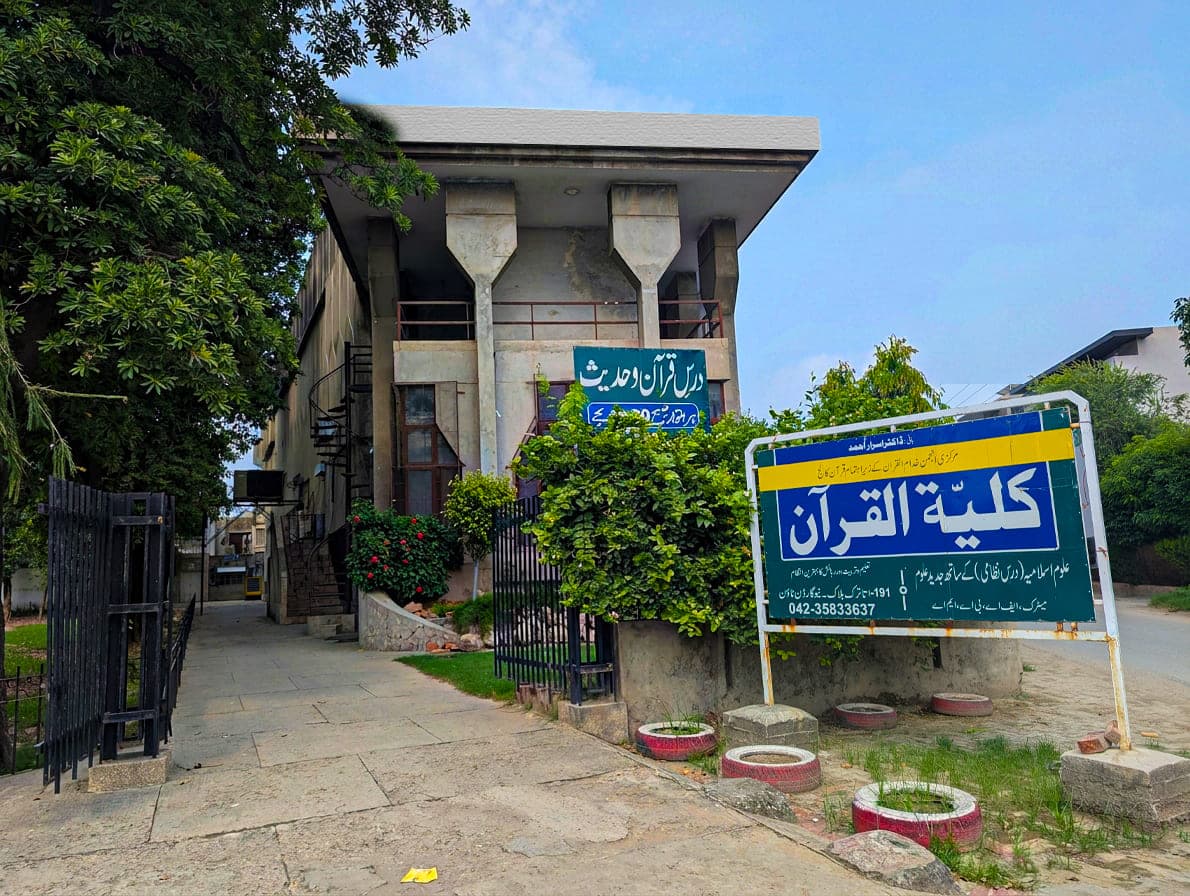
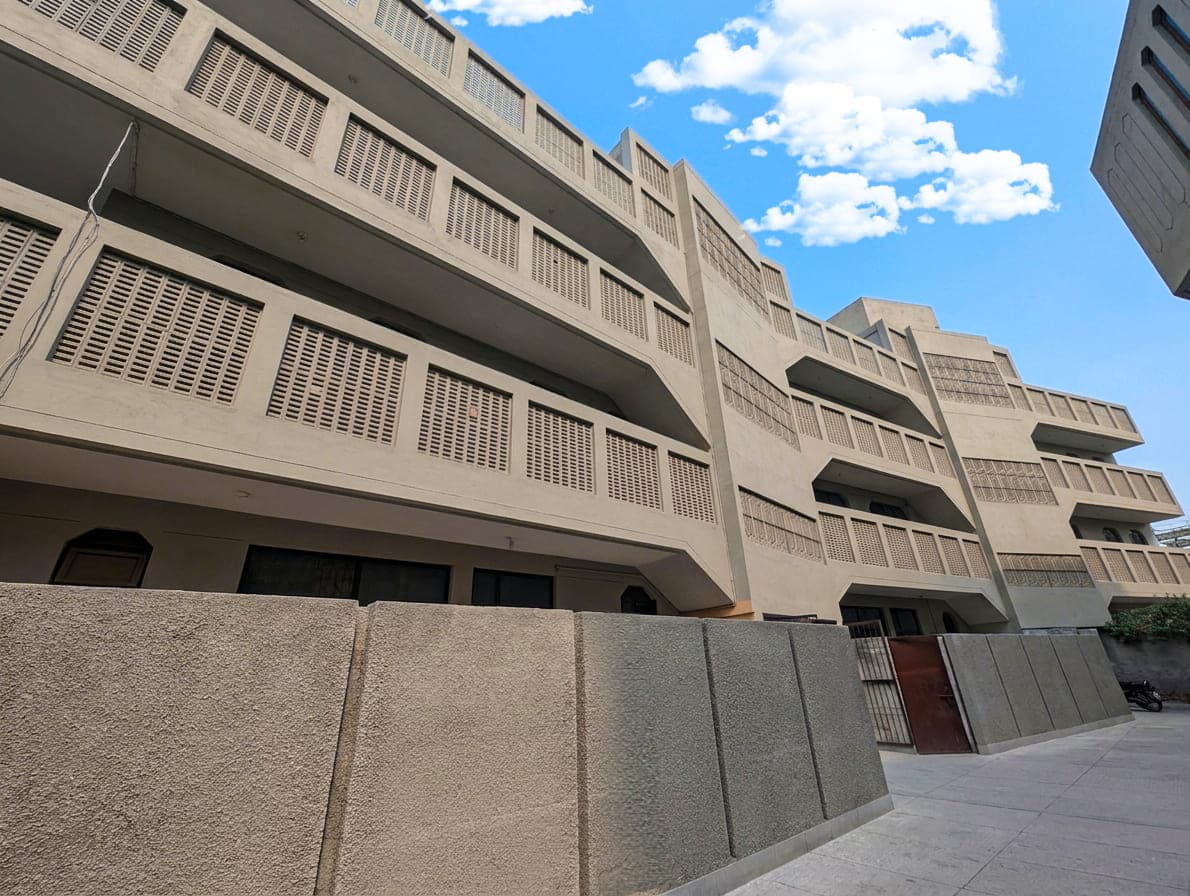
Core institutional goals
- ١To prepare preachers of Islam adorned with piety, divinity, sincerity, and perfection of knowledge — guiding them in good behaviour and away from what is profane.
- ٢To cooperate with other madrassas in the fields of knowledge, teaching, and experimentation by establishing structured links with them.
- ٣To bring the new generation closer to Islam and establish their connection with religious values, Islamic etiquette, civilization, and culture — guiding them away from atheistic ideas.
- ٤To translate important Arabic books into Urdu and arrange for the printing of important Urdu books by translating them into Arabic.
- Tajweed
- Jurisprudence (Fiqh)
- Islamic History / Additional Subject
- Arabic Grammar (Mizan, Mir, Munshi)
- Arabic Readers
- Syntax (Nahw) and Explanation
- Tafsir Quran
- Jurisprudence (Fiqh)
- Hadith
- Tajweed
- Arabic Literature
- Syntax & Grammar (advanced)
- Logic (Isagoji, Ghoji, Murat)
Assessment & grading
Three examinations are conducted each year. Written papers last three hours; some subjects are also examined orally.
- Quarterly — first week of Safar al-Muzaffar
- Half-yearly — first week of Jamadi-ul-Awli
- Annual — first week of Sha'ban (10-day written period)
Academic year & schedule
The academic year begins in mid-Shawwal and runs to early Sha'ban — approximately ten months. Annual leave is two months; ten days' holiday at Eid al-Adha; Friday is the weekly holiday. Classes run 9 AM through afternoon; teacher-supervised evening study until 10:30 PM.
Education is entirely free — no charge for tuition, residency, or any other fee. Textbooks are provided. Eligible students also receive scholarships, food, medical treatment, and full accommodation. The dormitory provides water, electricity, gas, geysers, cold-water coolers, kitchen and restaurant, and training programmes to develop students' hidden talents.
Student conduct — 15 regulations
- Every student must adhere to the teachings of Ahl-e-Sunnah Wal-Jamaat.
- Every student must observe congregational prayers except for a valid Shariah excuse.
- Every student must show the utmost respect and commitment to all teachers.
- Every student must follow the way of the Ummah in morals, deeds, appearance, and character.
- Grievances must be brought to the administration and teachers only. Taking the law into one's own hands is not permitted.
- Failure to read and repeat lessons will be punished after a verbal warning.
- Since the institution provides for all student needs, no outside source of income is permitted — otherwise the student forfeits assistance and residency.
- Dormitory residents must obtain permission to leave at any time other than between Asr and Maghrib. Absence without cause will be punished.
- No guest may stay in the residence without the Nazim's permission. Visitors should come between Asr and Maghrib or on the weekly holiday only.
- Every student must take special care of cleanliness — keeping their room and belongings neat and tidy at all times.
- Students must abide by the instructions of the head of the institution, teachers, and administration at all times.
- Students who waste time on entertainment or unnecessary gatherings will be expelled after a warning.
- Absence from lessons is a serious offence. Leave must be applied for in writing — signed by the class moderator (residents) or guardian (external students) — and submitted to the office.
- Failure to comply with the above rules will result in severe disciplinary action, including possible expulsion from residency and institution.
- Students who drop out during the session must pay all previous expenses (accommodation, food, tuition) — by themselves or their guardian.